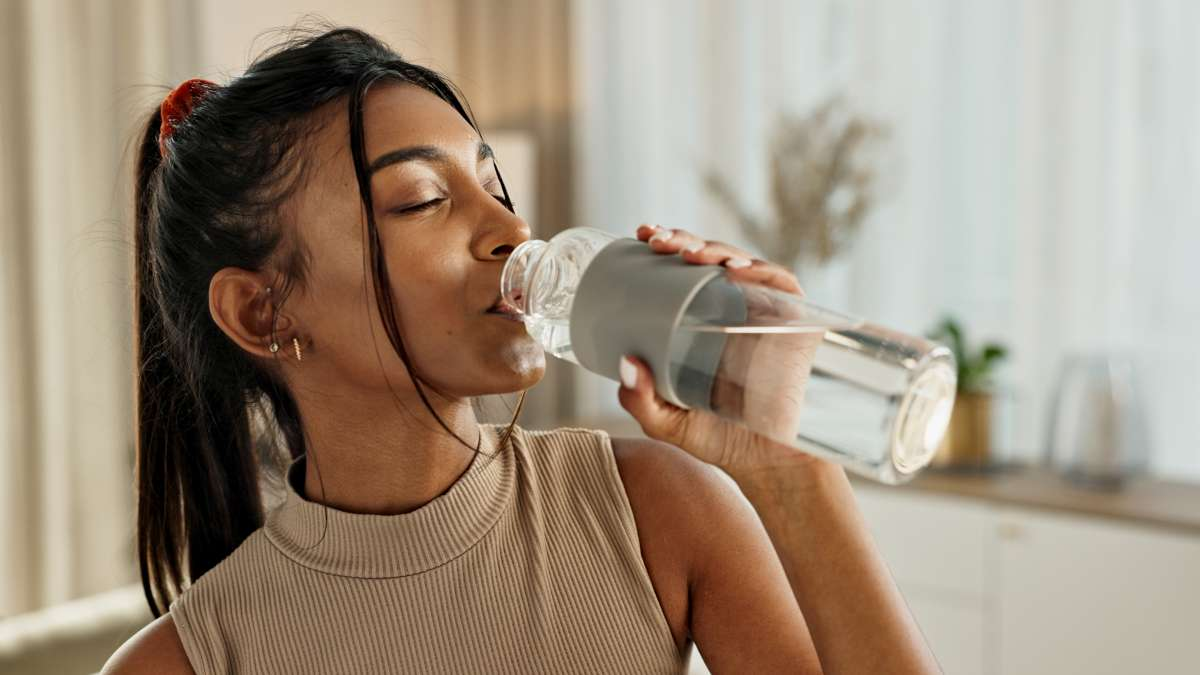
I peed 14 times a day. I woke up twice every night to use the bathroom. My skin broke out. I felt bloated, tired, and constantly cold. And I was doing everything right — according to the internet, anyway. I was drinking a gallon of water every day. The #gallonchallenge. The "water cure." The secret to clear skin, boundless energy, and a metabolism that burns like a furnace. I tried it for 30 days. And I felt like garbage.
I'm Jordan Lee. I run hydrationcalc.net from Miami, Florida, where the humidity is 90% and the hydration advice is 100% conflicting. I built this site because I was tired of one-size-fits-all wellness trends that ignore basic biology. This story is about what happens when you force a gallon of water into a body that doesn't need it.
The gallon-a-day trend exploded in 2025, fueled by TikTok influencers who claimed that drinking 128 ounces of water daily cured their acne, eliminated their brain fog, and helped them lose 20 pounds. The before-and-after photos were compelling. The testimonials were enthusiastic. And the science? The science was nowhere to be found.
I started the challenge on January 1, 2026, because I'm a sucker for New Year's resolutions and I wanted to believe. I bought a 32-ounce water bottle and committed to filling it four times a day. Morning. Lunch. Afternoon. Evening. I tracked it in an app. I posted updates. I was fully committed to becoming a better-hydrated version of myself.
Week one was fine. I peed more, but that was expected. I felt a little bloated, but I told myself that was my body "adjusting." Week two, the nighttime waking started. I would fall asleep at 11 PM, wake up at 1:30 AM with a full bladder, then again at 4:00 AM. My sleep tracker showed my deep sleep dropping by 30%. I was tired all day, which I tried to fix by drinking more water. The cycle was self-perpetuating and self-defeating.
By week three, my skin was worse than when I started. Not better. Worse. I had breakouts on my chin and forehead, which I had never experienced before. I researched it and found that overhydration can actually dilute electrolytes and stress the kidneys, which shows up in skin quality for some people. I was flushing nutrients out of my body faster than I could replace them. My "detox" was actually a depletion.
The science of hydration is both simple and nuanced. The Institute of Medicine recommends roughly 3.7 liters of total water intake per day for men and 2.7 liters for women. But "total water intake" includes water from food — fruits, vegetables, soups, even coffee and tea. It also varies by body size, activity level, climate, and diet. A 250-pound athlete in Arizona needs more than a 130-pound office worker in Seattle. The gallon challenge treats everyone the same, which is the first sign that it's nonsense.
My actual water needs, calculated properly, were about 85 ounces per day — roughly 2.5 liters. That includes the water in my food. The gallon challenge had me drinking 128 ounces of plain water on top of that. I was consuming 50% more than I needed, and my body was protesting in every way it knew how.
The most dangerous aspect of overhydration is hyponatremia — low blood sodium caused by dilution. It's rare in healthy adults, but it happens. Athletes have died from drinking too much water during marathons. In less extreme cases, chronic overhydration can cause fatigue, headaches, muscle cramps, and cognitive fog. All symptoms I experienced. All symptoms I initially blamed on "not drinking enough water."
The wellness industry loves simple rules. A gallon a day. Ten thousand steps. Eight hours of sleep. These rules are easy to market, easy to track, and easy to turn into apps and challenges. But human biology is not simple. What works for a 200-pound construction worker in Texas doesn't work for a 120-pound writer in Oregon. And treating them the same isn't just ineffective. It can be harmful.
I stopped the gallon challenge on day 30 and switched to drinking when thirsty. Radical, I know. I also added electrolytes to my morning water — a pinch of salt and a squeeze of lemon — to replace what I had been flushing out. My sleep improved within a week. My skin cleared up. The bloating disappeared. And I stopped planning my life around bathroom locations.
I built the tools on this site because I needed a reality check. The hydration calculator gives you a personalized target, not a viral hashtag. The electrolyte balance checker explains why volume isn't everything. The overhydration risk assessor helps you recognize when "healthy" habits become harmful. These tools don't make you drink less. They make you drink smarter.
If you're forcing down a gallon a day because the internet told you to, ask yourself: how do you feel? If you're peeing every hour, waking up at night, and wondering why your energy is tanking, the answer might not be "drink more water." It might be "drink the right amount of water." And that amount is probably not 128 ounces.
How much water does your body actually need — and are you listening to it?