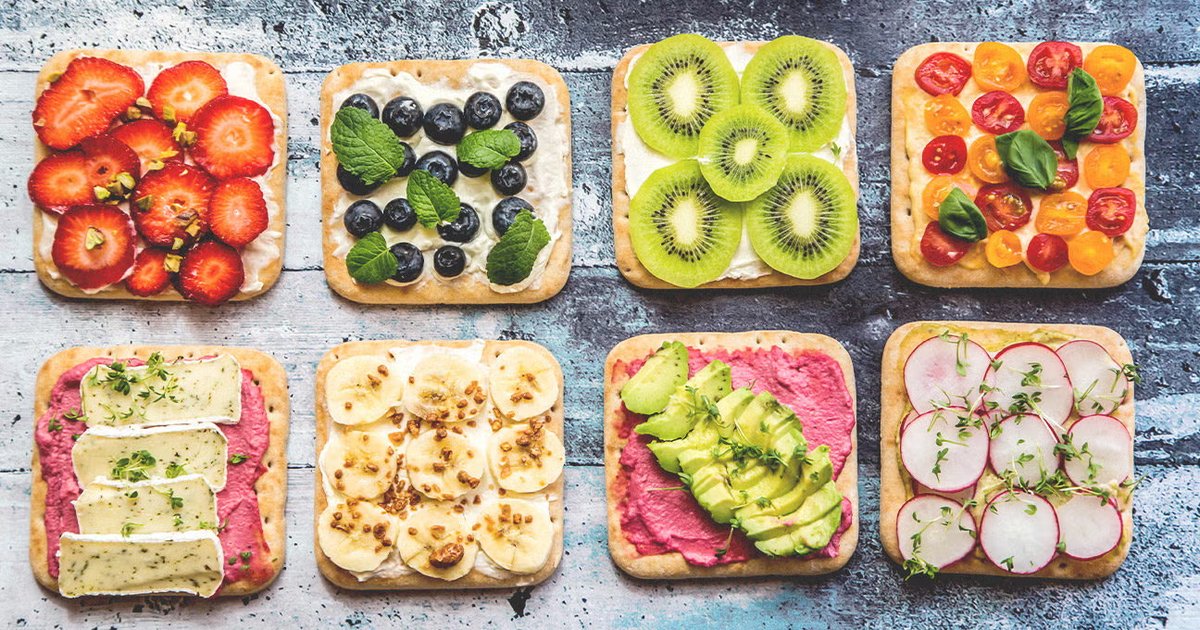
 I used to think that hydration meant water. Plain water, maybe sparkling water, definitely not food. Then I read that old 1945 report where the Food and Nutrition Board said adults need about 2.5 liters of total water per day, and that most of that comes from food. I had to read it twice. Food? Water from food? Turns out, fruits and vegetables are mostly water. Soup is water. Even bread and meat contain water. That glass of water you’re forcing down? You could eat a cucumber instead.
Now I’m not saying you should replace water with food. But if you struggle to drink enough fluid, or if you’re just tired of plain water, eating high-water foods can help you hit your goal without feeling like you’re drowning.
The average person gets about 20‑30% of their total fluid needs from food. That’s 500‑800 milliliters (17‑27 ounces) for someone who needs 2.5 liters per day. That’s not nothing. If you’re someone who hates drinking water, you can shift some of your hydration to food and still be fine.
Let me give you a ranked list of the most hydrating foods, plus how much fluid they actually contribute.
Number one is cucumber. It’s 96% water. One cup of sliced cucumber (about 120 grams) contains 115 milliliters (almost 4 ounces) of water. A whole cucumber is about 300 grams and gives you 288 mL (10 ounces) of fluid. Eat a cucumber with lunch and you’ve just replaced a small glass of water without noticing.
Number two is celery. Also 95‑96% water. One cup of chopped celery (100 grams) gives you about 95 mL (3.2 ounces). Celery is crunchy and salty, perfect with peanut butter. That’s a hydrating snack.
Number three is radishes. About 95% water. One cup of sliced radishes (100 grams) gives you 95 mL. Not a huge volume, but radishes are easy to add to salads.
Number four is lettuce. Iceberg lettuce is 96% water. Romaine is 95%. A cup of shredded lettuce (72 grams) gives you about 70 mL (2.4 ounces). A whole head of iceberg lettuce can weigh 500 grams and provide 480 mL (16 ounces) of water. That’s a full bottle of water, just from lettuce.
Number five is zucchini. About 94% water. One cup of chopped zucchini (120 grams) gives you 113 mL (3.8 ounces). Zoodles — zucchini noodles — are a hydrating pasta substitute.
Number six is watermelon. The name says it. Watermelon is 92% water. One cup of diced watermelon (150 grams) gives you 138 mL (4.7 ounces). A typical wedge of watermelon (about 300 grams) gives you 276 mL (9.3 ounces). Watermelon also has electrolytes like potassium and magnesium, so it’s a great post‑workout snack.
Number seven is strawberries. About 91% water. One cup of sliced strawberries (150 grams) gives you 136 mL (4.6 ounces). Berries are also high in vitamin C and fiber. Eat a cup of strawberries as a snack and you’ve gotten a quarter of your food‑based hydration.
Number eight is cantaloupe. About 90% water. One cup of diced cantaloupe (160 grams) gives you 144 mL (4.9 ounces). Melons are summer hydration superstars.
Number nine is peaches. About 89% water. One medium peach (150 grams) gives you about 133 mL (4.5 ounces). Fresh peaches are seasonal, but frozen peaches work too.
Number ten is oranges. About 87% water. One medium orange (140 grams) gives you about 122 mL (4.1 ounces). Oranges also provide vitamin C and potassium. Not as hydrating as watermelon, but still solid.
Number eleven is bell peppers. About 92% water for red and yellow, slightly less for green. One cup of chopped bell pepper (150 grams) gives you about 135 mL (4.6 ounces). Bell peppers are crunchy, sweet, and easy to add to salads or eat raw with hummus.
Number twelve is spinach. About 91% water. One cup of raw spinach (30 grams) gives you about 27 mL (less than an ounce). That’s not much. But cooked spinach is different. One cup of cooked spinach (180 grams) gives you 164 mL (5.5 ounces) because the leaves collapse and you eat more volume. Spinach is also high in iron and magnesium.
Number thirteen is tomatoes. About 94% water. One medium tomato (120 grams) gives you 113 mL (3.8 ounces). Cherry tomatoes are even easier to snack on. A cup of cherry tomatoes (150 grams) gives you 141 mL (4.8 ounces).
Number fourteen is soup. This is cheating because soup is liquid. But it counts. A cup of broth‑based soup (240 mL) is about 90‑95% water, so you get about 220‑230 mL (7.5‑7.8 ounces) of fluid. Plus sodium, which helps with retention. That’s why soup is so satisfying when you’re sick.
Number fifteen is yogurt. Plain yogurt is about 88% water. One cup (245 grams) gives you about 215 mL (7.3 ounces) of fluid. Greek yogurt is slightly less because it’s strained, but still around 80%. Yogurt also has protein, calcium, and probiotics.
Now let me tell you about a client who used hydrating foods to fix a long‑standing problem. Her name was Elena, and she had a condition that required her to drink 3 liters (101 ounces) of fluid per day. She hated water. She said it made her feel sloshy and she was constantly in the bathroom. She tried sparkling water, flavored water, even fancy electrolyte drinks. Nothing worked. She was consistently falling short and feeling terrible.
I asked her to track her food intake for three days. She was eating almost no fruits or vegetables. Maybe a banana in the morning and some lettuce on a sandwich. That’s it. Her food‑based fluid was maybe 200 mL per day. I said, “What if you could get 800‑1,000 mL from food alone?” She looked at me like I had two heads.
We added a cucumber salad with lunch. One whole cucumber gave her 288 mL. A cup of watermelon as a snack gave her 138 mL. A cup of bell peppers with hummus gave her 135 mL. A cup of yogurt with berries for breakfast gave her 215 mL. Total food‑based fluid: 776 mL. That’s 26 ounces. Plus her 2.2 liters (74 ounces) of drinking water, she hit her 3‑liter goal without forcing extra bottles.
She said the difference was night and day. Her energy improved, her skin cleared, and she stopped feeling like a water balloon. She wasn’t running to the bathroom every 20 minutes because the food‑based fluid was absorbed more slowly with fiber and protein.
The mechanism is simple. Water from food is “packaged” with other nutrients. It takes longer to leave your stomach, so you absorb it over hours instead of minutes. You don’t get the same diuretic spike that you get from chugging a bottle of water. For people who struggle with frequent urination, food‑based hydration can be a game changer.
Another client, a construction worker named Luis, was drinking 4 liters of water a day and still feeling thirsty. He was also peeing constantly. We looked at his diet. Almost no fruits or vegetables. He was getting maybe 1‑2 servings per day. I asked him to add a hydrating snack every two hours. A handful of cherry tomatoes. A cup of watermelon. A bowl of soup with lunch. He didn’t change his water intake, but his food‑based fluid added about 600 mL per day. His thirst improved, and his bathroom trips decreased.
The downside of food‑based hydration is that some hydrating foods also have calories. A cup of watermelon has about 45 calories. A cup of strawberries has 50. A cup of yogurt has 150. For most people, that’s fine. If you’re trying to lose weight, you just account for it. A cup of cucumber has only 15 calories. Celery has 16. Lettuce has 5. So you can hydrate with low‑calorie vegetables if you’re worried.
There’s also the myth that certain foods “dehydrate” you. Asparagus makes your pee smell, but it doesn’t dehydrate you. Caffeine is a mild diuretic, but the water in coffee still counts. The net effect of eating high‑water foods is always positive.
I built a tool that helps people calculate their food‑based hydration.
I used to think that hydration meant water. Plain water, maybe sparkling water, definitely not food. Then I read that old 1945 report where the Food and Nutrition Board said adults need about 2.5 liters of total water per day, and that most of that comes from food. I had to read it twice. Food? Water from food? Turns out, fruits and vegetables are mostly water. Soup is water. Even bread and meat contain water. That glass of water you’re forcing down? You could eat a cucumber instead.
Now I’m not saying you should replace water with food. But if you struggle to drink enough fluid, or if you’re just tired of plain water, eating high-water foods can help you hit your goal without feeling like you’re drowning.
The average person gets about 20‑30% of their total fluid needs from food. That’s 500‑800 milliliters (17‑27 ounces) for someone who needs 2.5 liters per day. That’s not nothing. If you’re someone who hates drinking water, you can shift some of your hydration to food and still be fine.
Let me give you a ranked list of the most hydrating foods, plus how much fluid they actually contribute.
Number one is cucumber. It’s 96% water. One cup of sliced cucumber (about 120 grams) contains 115 milliliters (almost 4 ounces) of water. A whole cucumber is about 300 grams and gives you 288 mL (10 ounces) of fluid. Eat a cucumber with lunch and you’ve just replaced a small glass of water without noticing.
Number two is celery. Also 95‑96% water. One cup of chopped celery (100 grams) gives you about 95 mL (3.2 ounces). Celery is crunchy and salty, perfect with peanut butter. That’s a hydrating snack.
Number three is radishes. About 95% water. One cup of sliced radishes (100 grams) gives you 95 mL. Not a huge volume, but radishes are easy to add to salads.
Number four is lettuce. Iceberg lettuce is 96% water. Romaine is 95%. A cup of shredded lettuce (72 grams) gives you about 70 mL (2.4 ounces). A whole head of iceberg lettuce can weigh 500 grams and provide 480 mL (16 ounces) of water. That’s a full bottle of water, just from lettuce.
Number five is zucchini. About 94% water. One cup of chopped zucchini (120 grams) gives you 113 mL (3.8 ounces). Zoodles — zucchini noodles — are a hydrating pasta substitute.
Number six is watermelon. The name says it. Watermelon is 92% water. One cup of diced watermelon (150 grams) gives you 138 mL (4.7 ounces). A typical wedge of watermelon (about 300 grams) gives you 276 mL (9.3 ounces). Watermelon also has electrolytes like potassium and magnesium, so it’s a great post‑workout snack.
Number seven is strawberries. About 91% water. One cup of sliced strawberries (150 grams) gives you 136 mL (4.6 ounces). Berries are also high in vitamin C and fiber. Eat a cup of strawberries as a snack and you’ve gotten a quarter of your food‑based hydration.
Number eight is cantaloupe. About 90% water. One cup of diced cantaloupe (160 grams) gives you 144 mL (4.9 ounces). Melons are summer hydration superstars.
Number nine is peaches. About 89% water. One medium peach (150 grams) gives you about 133 mL (4.5 ounces). Fresh peaches are seasonal, but frozen peaches work too.
Number ten is oranges. About 87% water. One medium orange (140 grams) gives you about 122 mL (4.1 ounces). Oranges also provide vitamin C and potassium. Not as hydrating as watermelon, but still solid.
Number eleven is bell peppers. About 92% water for red and yellow, slightly less for green. One cup of chopped bell pepper (150 grams) gives you about 135 mL (4.6 ounces). Bell peppers are crunchy, sweet, and easy to add to salads or eat raw with hummus.
Number twelve is spinach. About 91% water. One cup of raw spinach (30 grams) gives you about 27 mL (less than an ounce). That’s not much. But cooked spinach is different. One cup of cooked spinach (180 grams) gives you 164 mL (5.5 ounces) because the leaves collapse and you eat more volume. Spinach is also high in iron and magnesium.
Number thirteen is tomatoes. About 94% water. One medium tomato (120 grams) gives you 113 mL (3.8 ounces). Cherry tomatoes are even easier to snack on. A cup of cherry tomatoes (150 grams) gives you 141 mL (4.8 ounces).
Number fourteen is soup. This is cheating because soup is liquid. But it counts. A cup of broth‑based soup (240 mL) is about 90‑95% water, so you get about 220‑230 mL (7.5‑7.8 ounces) of fluid. Plus sodium, which helps with retention. That’s why soup is so satisfying when you’re sick.
Number fifteen is yogurt. Plain yogurt is about 88% water. One cup (245 grams) gives you about 215 mL (7.3 ounces) of fluid. Greek yogurt is slightly less because it’s strained, but still around 80%. Yogurt also has protein, calcium, and probiotics.
Now let me tell you about a client who used hydrating foods to fix a long‑standing problem. Her name was Elena, and she had a condition that required her to drink 3 liters (101 ounces) of fluid per day. She hated water. She said it made her feel sloshy and she was constantly in the bathroom. She tried sparkling water, flavored water, even fancy electrolyte drinks. Nothing worked. She was consistently falling short and feeling terrible.
I asked her to track her food intake for three days. She was eating almost no fruits or vegetables. Maybe a banana in the morning and some lettuce on a sandwich. That’s it. Her food‑based fluid was maybe 200 mL per day. I said, “What if you could get 800‑1,000 mL from food alone?” She looked at me like I had two heads.
We added a cucumber salad with lunch. One whole cucumber gave her 288 mL. A cup of watermelon as a snack gave her 138 mL. A cup of bell peppers with hummus gave her 135 mL. A cup of yogurt with berries for breakfast gave her 215 mL. Total food‑based fluid: 776 mL. That’s 26 ounces. Plus her 2.2 liters (74 ounces) of drinking water, she hit her 3‑liter goal without forcing extra bottles.
She said the difference was night and day. Her energy improved, her skin cleared, and she stopped feeling like a water balloon. She wasn’t running to the bathroom every 20 minutes because the food‑based fluid was absorbed more slowly with fiber and protein.
The mechanism is simple. Water from food is “packaged” with other nutrients. It takes longer to leave your stomach, so you absorb it over hours instead of minutes. You don’t get the same diuretic spike that you get from chugging a bottle of water. For people who struggle with frequent urination, food‑based hydration can be a game changer.
Another client, a construction worker named Luis, was drinking 4 liters of water a day and still feeling thirsty. He was also peeing constantly. We looked at his diet. Almost no fruits or vegetables. He was getting maybe 1‑2 servings per day. I asked him to add a hydrating snack every two hours. A handful of cherry tomatoes. A cup of watermelon. A bowl of soup with lunch. He didn’t change his water intake, but his food‑based fluid added about 600 mL per day. His thirst improved, and his bathroom trips decreased.
The downside of food‑based hydration is that some hydrating foods also have calories. A cup of watermelon has about 45 calories. A cup of strawberries has 50. A cup of yogurt has 150. For most people, that’s fine. If you’re trying to lose weight, you just account for it. A cup of cucumber has only 15 calories. Celery has 16. Lettuce has 5. So you can hydrate with low‑calorie vegetables if you’re worried.
There’s also the myth that certain foods “dehydrate” you. Asparagus makes your pee smell, but it doesn’t dehydrate you. Caffeine is a mild diuretic, but the water in coffee still counts. The net effect of eating high‑water foods is always positive.
I built a tool that helps people calculate their food‑based hydration.
Daily Water Intake Calculator
Includes a food water adjustment. If you eat a high‑fruit or high‑vegetable diet, the tool lowers your drinking goal.
All data stays in your browser — we never see it.
Hydration Goal Setter
Enter the foods you eat. The app adds their water content to your daily total.
All data stays in your browser — we never see it.